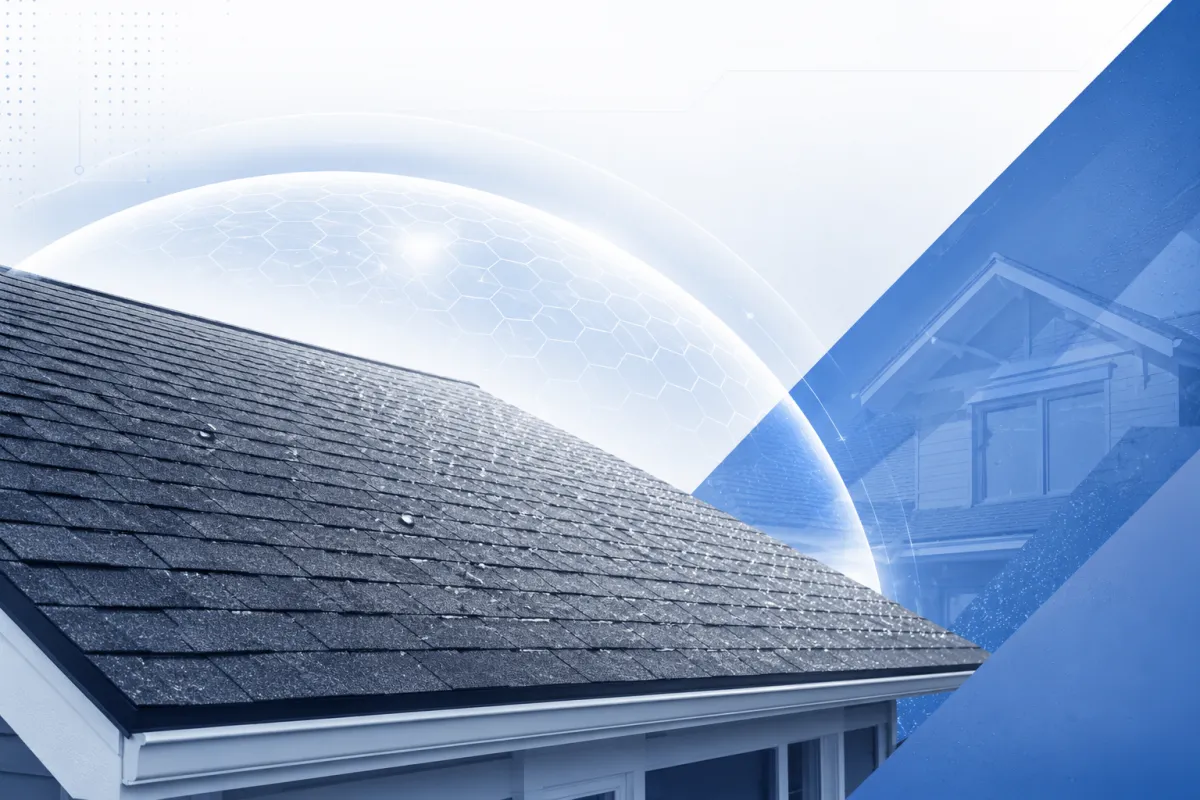
Do Roof Coatings Actually Work? A Practical Guide for Asphalt Shingle Roofs
Asphalt shingles are the most common roofing material in North America, but they're also one of the most misunderstood when it comes to maintenance. Homeowners often hear about roof coatings that promise to extend roof life, stop leaks, or even make an aging roof look brand new. So, do roof coatings actually work?
The answer is: it depends on the type of roof, the type of coating, and the condition of the roof.
For asphalt shingle roofs specifically, not all coatings are created equal. In fact, many traditional roof coatings can do more harm than good. Here's what every homeowner should know before investing in a roof coating.
Why Traditional Roof Coatings Don't Belong on Asphalt Shingles
Many roof coatings on the market were originally designed for commercial flat roofs made from metal, TPO, EPDM, or modified bitumen. These products typically form a thick membrane over the surface.
While that approach works well for flat roofing systems, asphalt shingles are designed differently.
Shingles rely on overlapping layers and built-in ventilation to shed water efficiently. Applying a thick coating over them can:
Trap moisture beneath the shingles
Prevent proper drainage
Seal ventilation pathways
Alter the flexibility of the shingles
Potentially void manufacturer warranties
In other words, a product designed for flat roofs isn't necessarily appropriate for residential asphalt shingles.
What Actually Causes Asphalt Shingles to Age?
Most homeowners think roofs fail because of rain. In reality, water is usually the final stage—not the root cause.
The biggest contributors to asphalt shingle aging include:
Constant UV exposure from the sun
Oxidation of the asphalt binder
Loss of protective oils over time
Thermal expansion and contraction
Freeze-thaw cycles in colder climates
Wind and weather exposure
As shingles lose flexibility, they become brittle. Granules begin falling away, cracks develop, and eventually water can penetrate the roofing system.
The key to extending roof life isn't covering the shingles—it's helping preserve the materials that are already there.
The Difference Between Roof Coatings and Roof Preservation
This is where many homeowners become confused.
A traditional roof coating creates a film or layer on top of the roof.
A roof preservation treatment works differently.
Instead of covering the shingles, preservation products are designed to penetrate into the asphalt, restoring flexibility while adding water repellency and UV protection.
Because they work within the shingle rather than on top of it, they maintain the roof's original appearance and functionality.
Think of it like conditioning leather rather than painting over it.
When Does a Roof Preservation Treatment Work Best?
Timing matters.
Roof preservation is most effective when a roof is beginning to show signs of aging—but before major structural damage occurs.
Good candidates include roofs with:
Granule loss beginning to appear
Slight fading or discoloration
Minor drying or brittleness
No significant leaks or widespread damage
Overall structural integrity still intact
If shingles are severely curled, missing, or the roof deck has been compromised, replacement may be the better option.
Preservation works best as preventative maintenance—not as a substitute for a roof that has already reached the end of its service life.
How Nanoclad Roof Shield Is Different
Unlike traditional roof coatings, Nanoclad Roof Shield was specifically developed for asphalt shingle roofs.
Its advanced nano-silica technology penetrates into the shingle instead of creating a thick surface layer.
Benefits include:
Restores flexibility to aging shingles
Provides long-lasting hydrophobic protection
Helps reduce UV-related deterioration
Maintains the roof's natural appearance
Preserves breathability and drainage pathways
Helps extend the usable life of qualifying asphalt roofs
Rather than hiding aging shingles beneath a coating, Nanoclad helps protect the roof from continued environmental exposure.
Can a Roof Coating Replace Roof Replacement?
No product can permanently repair a roof that has already failed.
If a roof has severe structural damage, extensive leaks, widespread missing shingles, or deteriorated decking, replacement is typically the safest option.
However, many roofs are replaced years earlier than necessary simply because they show cosmetic aging.
For roofs that are still structurally sound, preservation can provide a cost-effective way to delay replacement while protecting your investment.
Final Thoughts
So, do roof coatings actually work?
For asphalt shingle roofs, traditional surface coatings are generally not the best solution. These products weren't designed for how shingles function and may interfere with their natural performance.
A preservation treatment that penetrates the shingle—rather than covering it—offers a more effective approach for extending roof life.
If your asphalt roof is beginning to show signs of age but is still in good structural condition, roof preservation may help you get several more years of reliable performance while avoiding the significant cost of premature replacement.
At Nanoclad, we believe the best roof is the one you don't have to replace before it's truly necessary.